

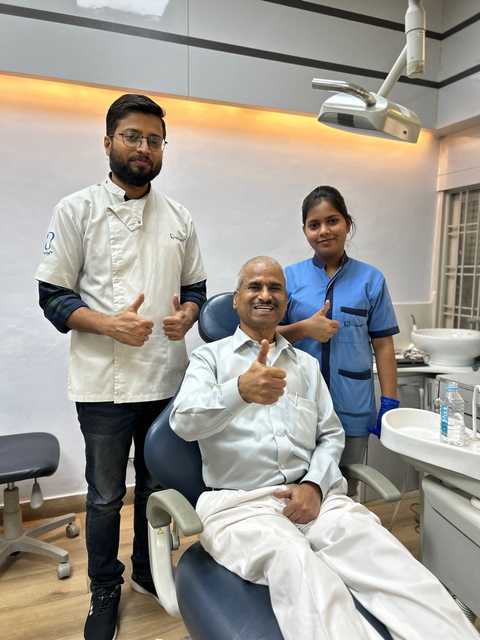
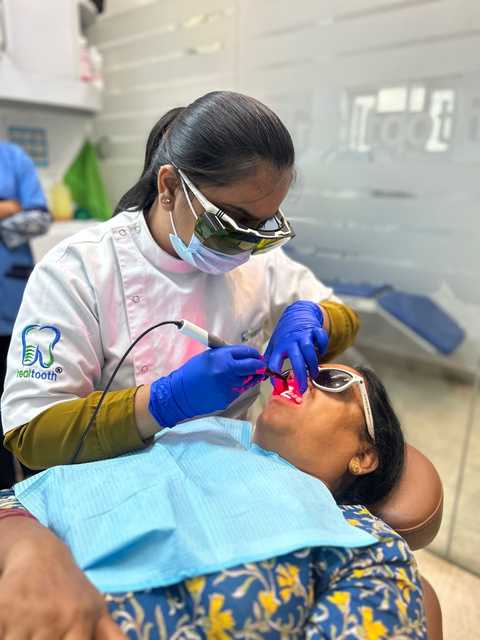
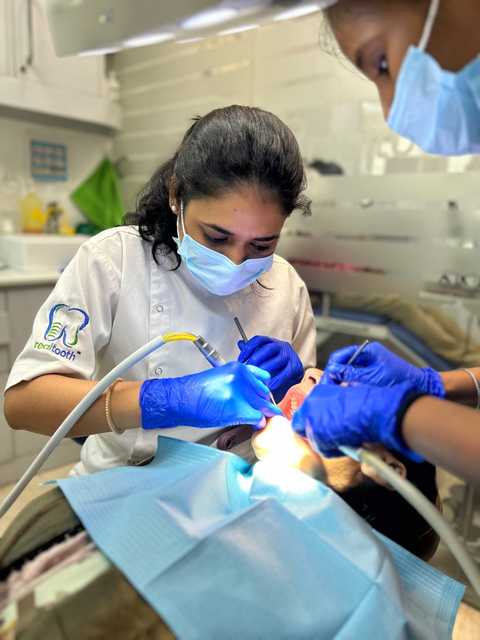
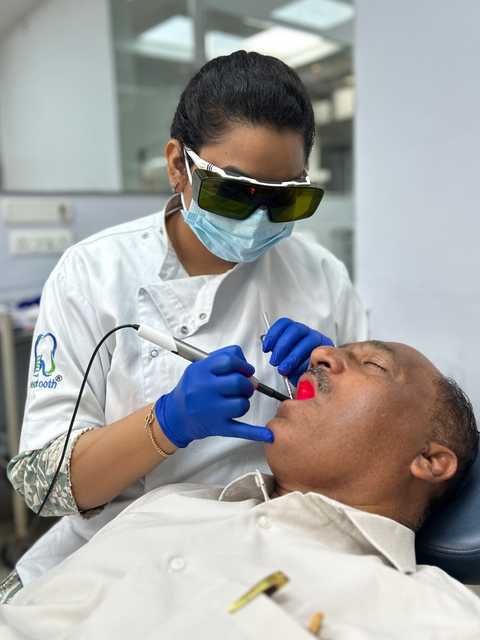
Tooth Extraction Gallery
$$MultiPurposeText$$
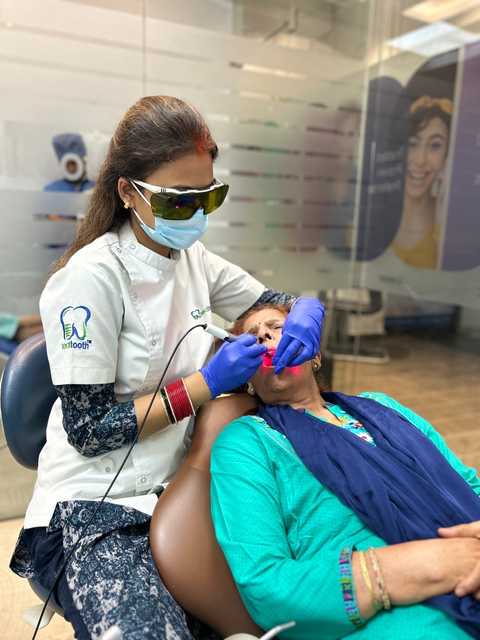
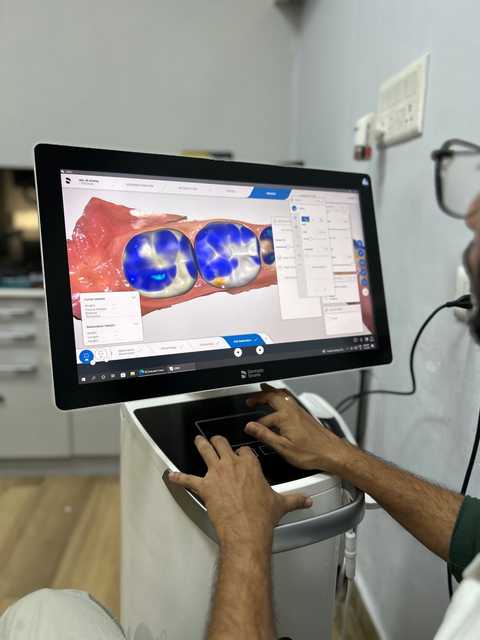
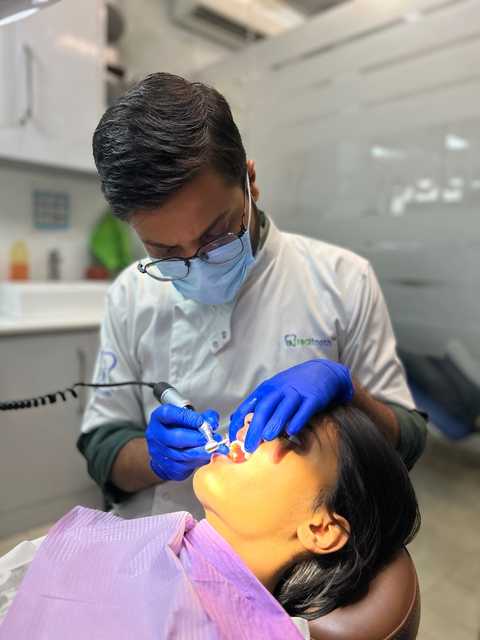
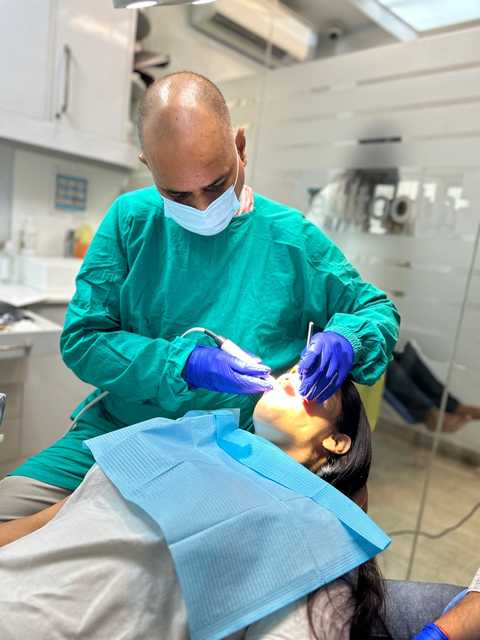
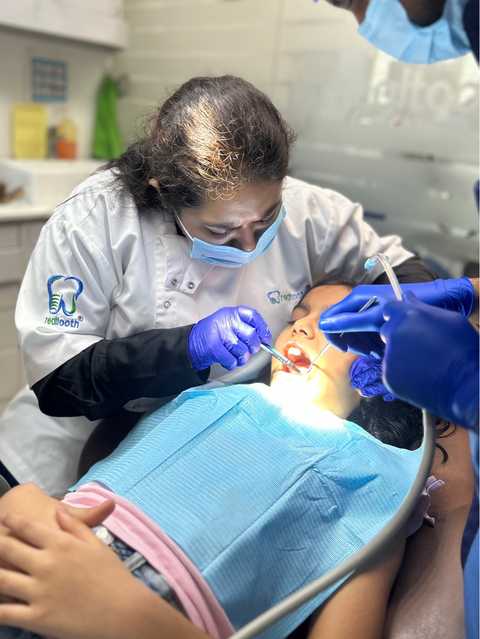
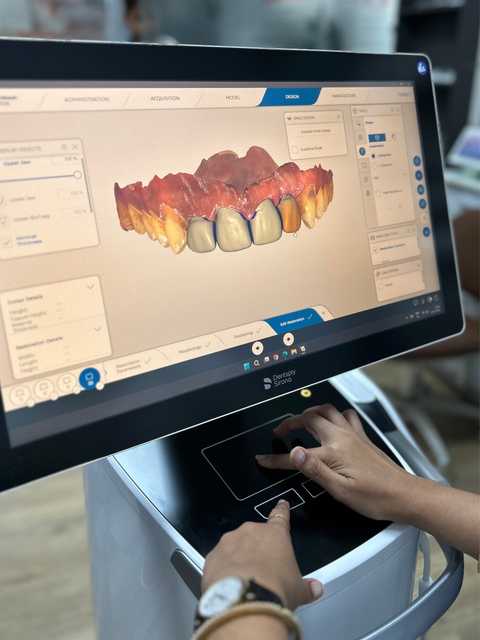
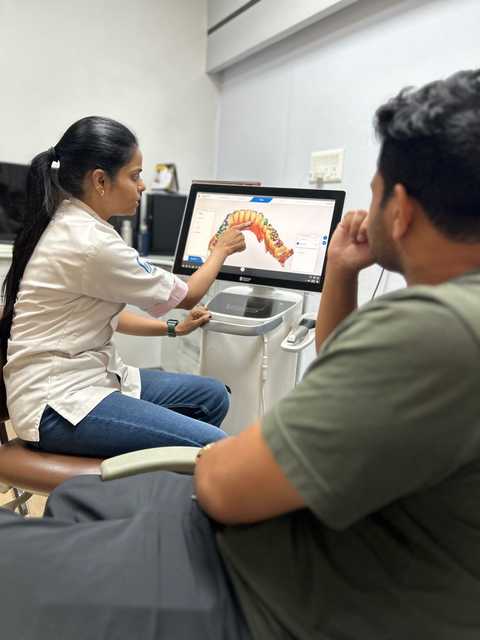
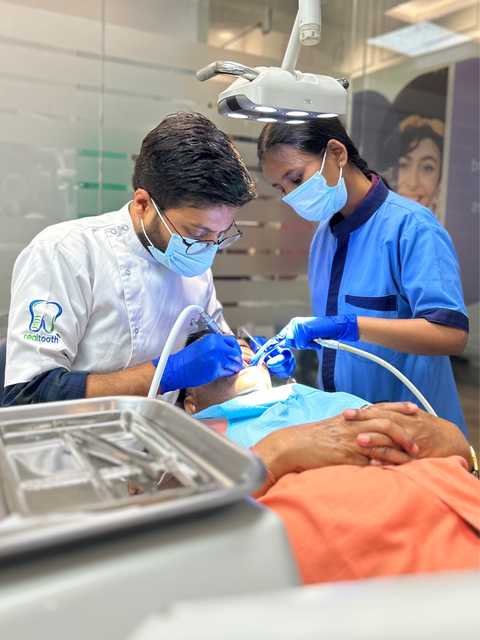
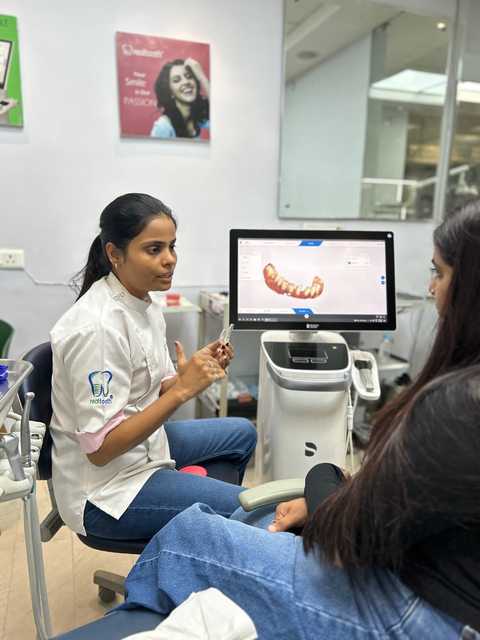
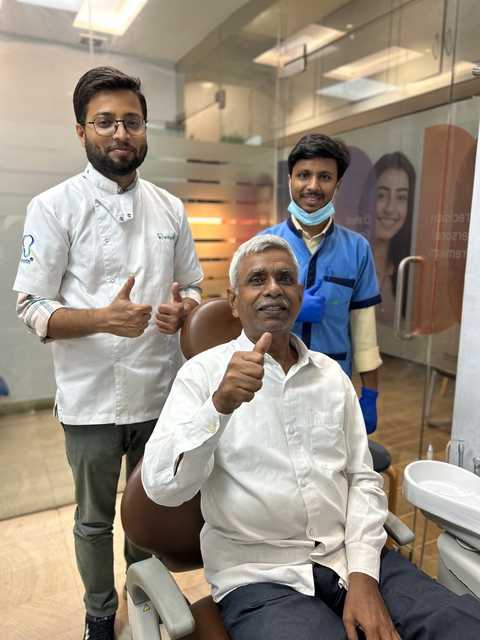
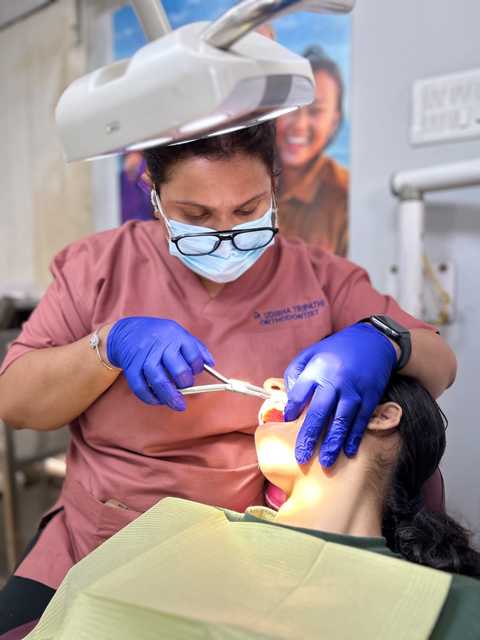
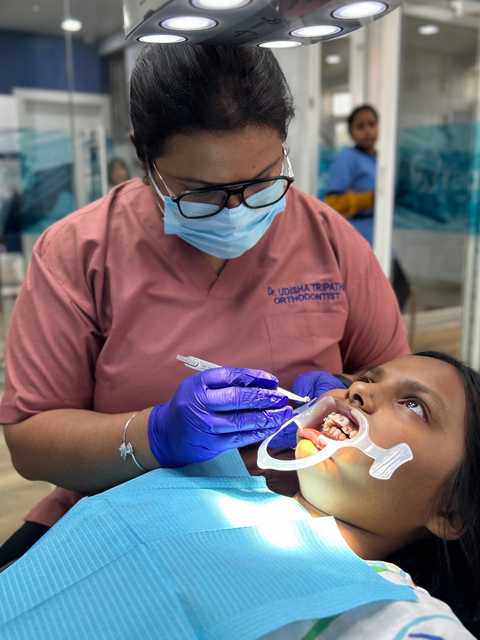
See examples of our Tooth Extraction work and results.











What Our Clients Say
$$MultiPurposeText$$
Read testimonials from our satisfied customers

After undergoing root canal treatment, I was advised to get a crown to protect the tooth a...more

For months, I kept ignoring a damaged tooth until the pain became unbearable and started a...more

Root canal treatment was completed very comfortably and with almost no pain throughout the...more

Very satisfied with my dental implant treatment. The team was professional, caring, and at...more

Had sudden increase in tooth pain made it impossible to delay treatment any longer. During...more

...more
Frequently Asked Questions
Get answers to common questions about Tooth Extraction.
Most extractions are performed under local anesthesia, so you should not feel pain during the procedure. Mild soreness and swelling afterward is normal; we prescribe pain relief and clear aftercare instructions to manage discomfort and promote healing.
Extractions are recommended for severe decay, advanced infection, fractured teeth, orthodontic crowding, or impacted wisdom teeth. When a tooth cannot be saved with restoration or root canal therapy, extraction prevents further complications and protects overall oral health.
Initial healing of the gum usually occurs within one to two weeks, while complete bone remodeling may take several months. Following our aftercare advice accelerates healing; attend follow-up visits so we can monitor recovery and address any concerns promptly.
In some cases immediate replacement with implants or temporary prostheses is possible, depending on bone health and infection status. We evaluate each case and recommend optimal timing - sometimes delayed placement ensures better long-term stability and healing.
Avoid smoking, using straws, vigorous rinsing, hard or chewy foods, and strenuous exercise for the first few days. These actions can dislodge the blood clot and cause dry socket; follow prescribed care and attend check-ups to reduce risk.
Yes. We offer local anesthesia, nitrous oxide, and oral sedation to ensure comfort. Our team provides calming explanations and gentle care; discuss anxiety beforehand so we can tailor sedation and support to make the experience as stress-free as possible.