

Dental Crown Gallery
$$MultiPurposeText$$
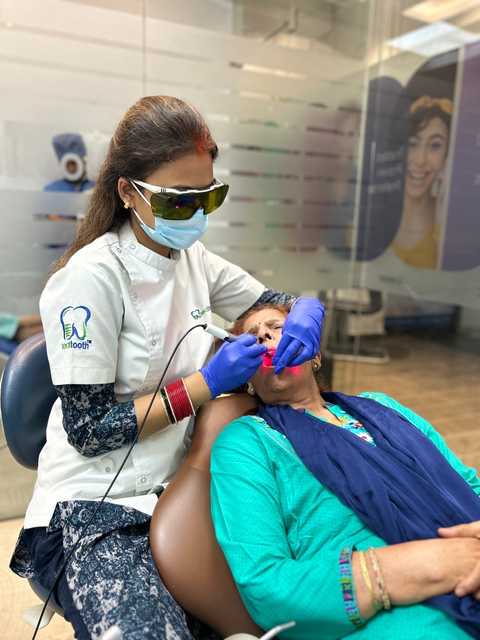
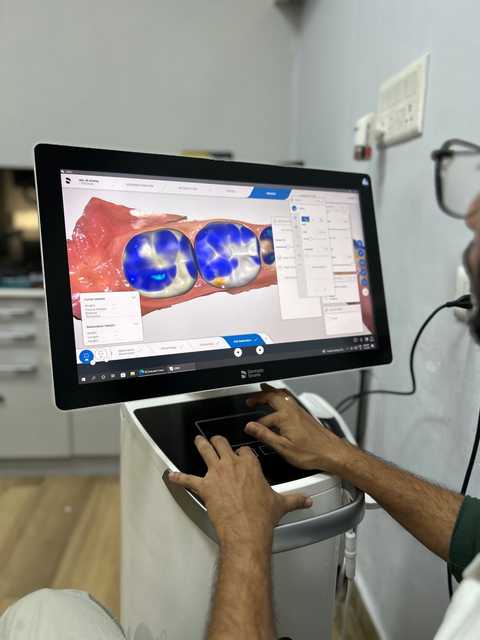
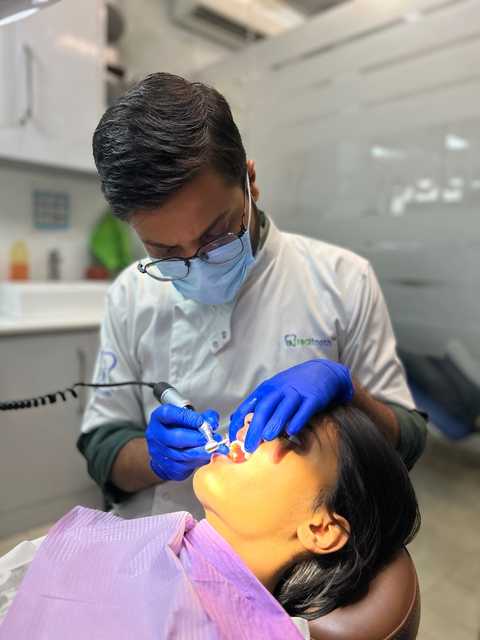
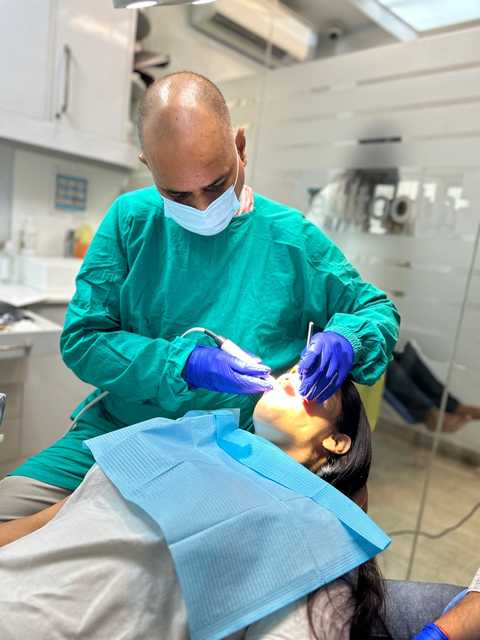
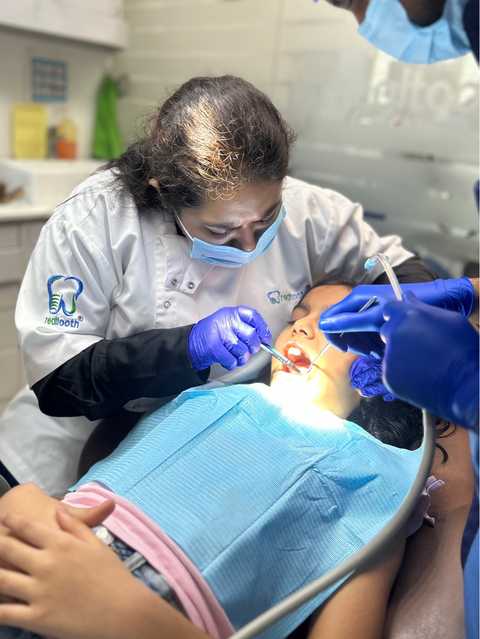
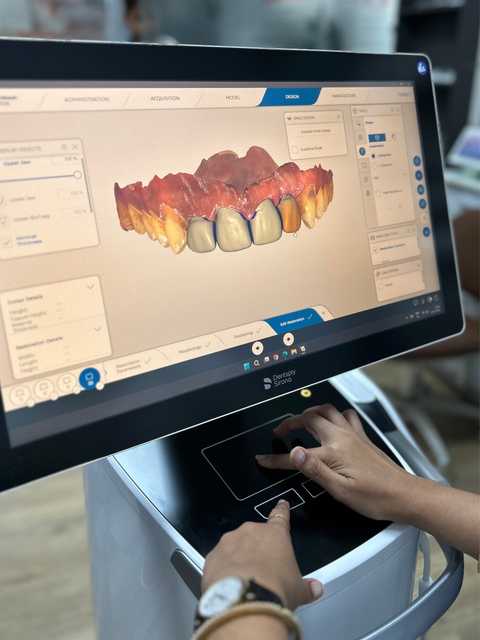
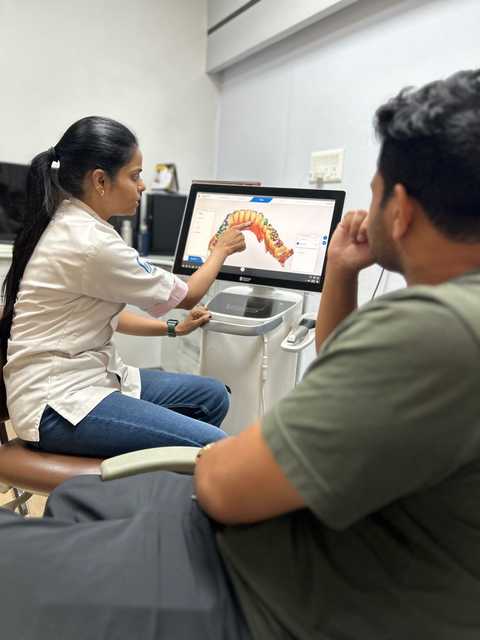
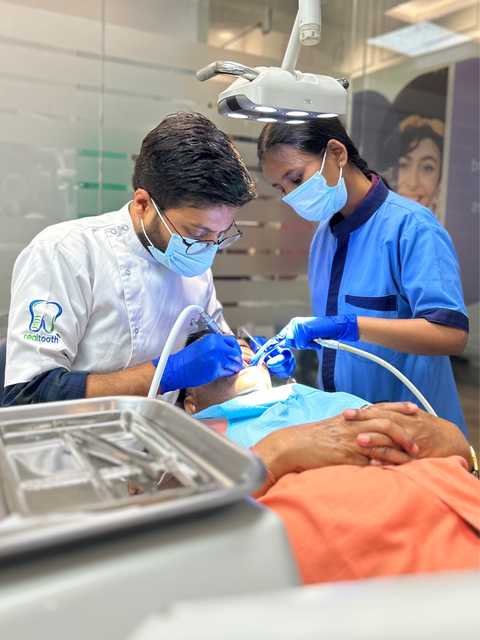
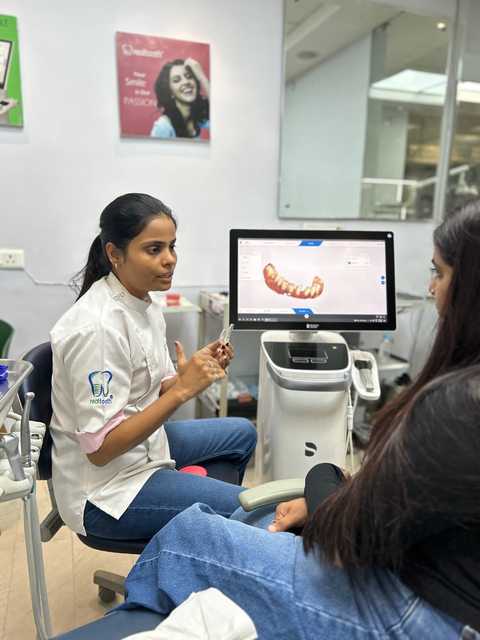
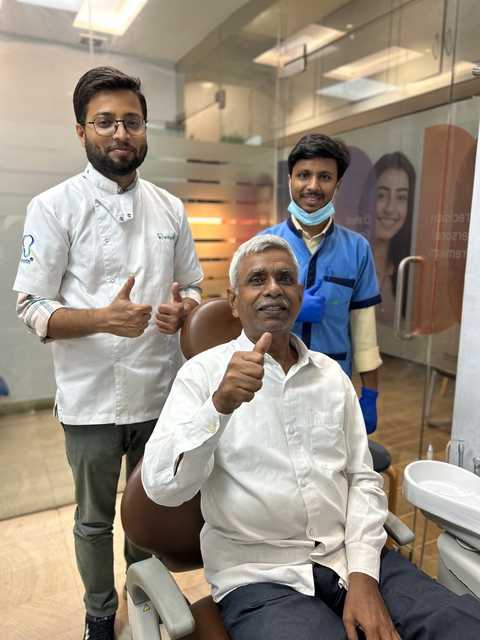
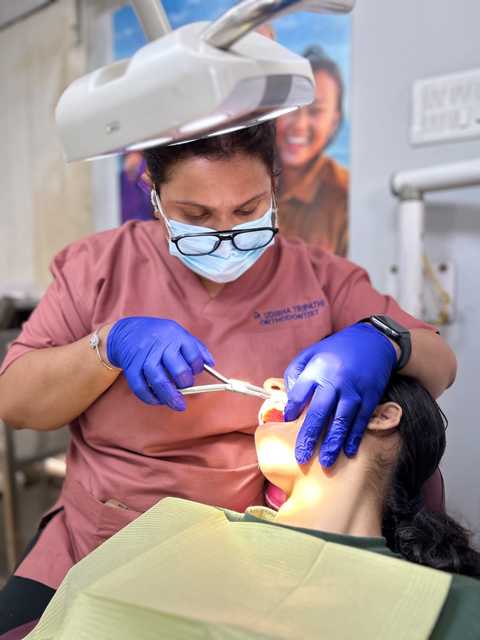
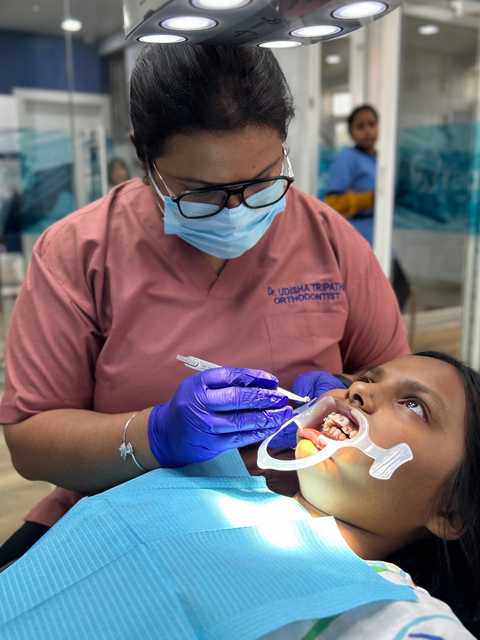
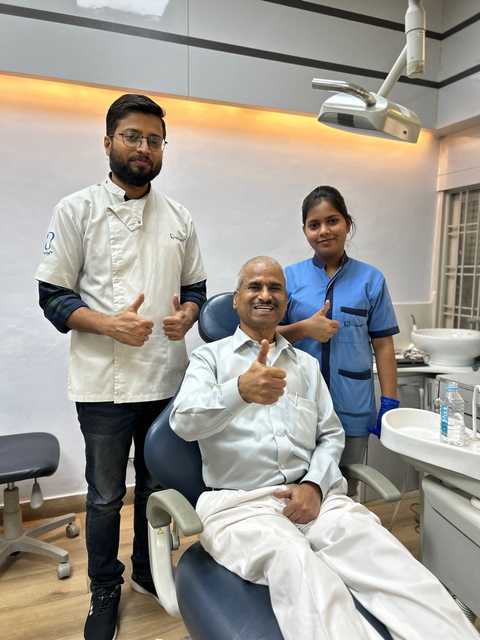
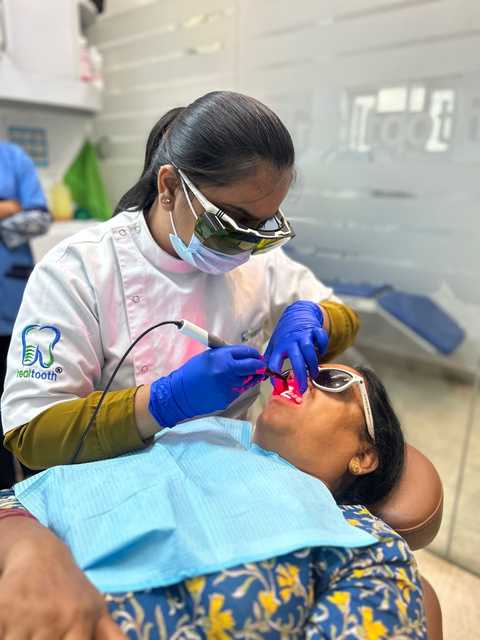
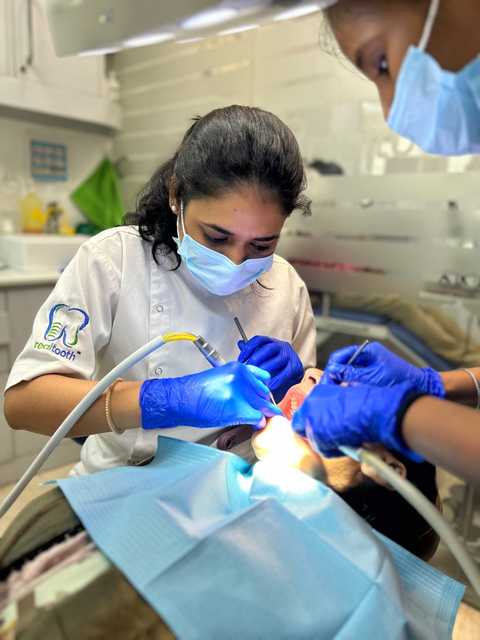
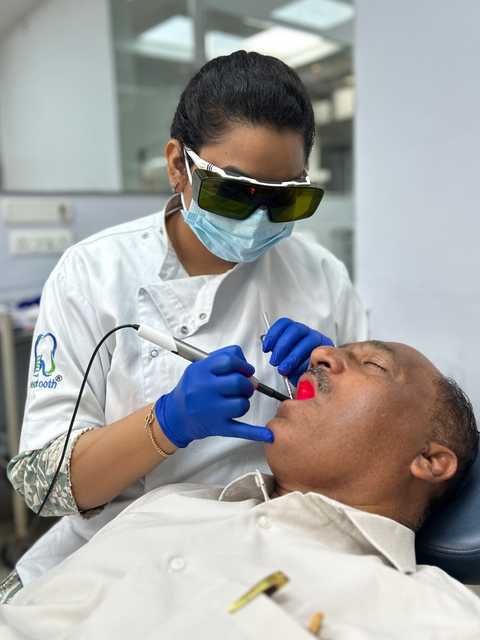
See examples of our Dental Crown work and results.











What Our Clients Say
$$MultiPurposeText$$
Read testimonials from our satisfied customers

After undergoing root canal treatment, I was advised to get a crown to protect the tooth a...more

For months, I kept ignoring a damaged tooth until the pain became unbearable and started a...more

Root canal treatment was completed very comfortably and with almost no pain throughout the...more

Very satisfied with my dental implant treatment. The team was professional, caring, and at...more

Had sudden increase in tooth pain made it impossible to delay treatment any longer. During...more

...more
Frequently Asked Questions
Get answers to common questions about Dental Crown.
With good oral hygiene and regular dental visits, crowns can last 10 to 15 years or longer. Longevity depends on material, bite habits, and care. Avoid hard foods and bruxism; contact us if you notice looseness, pain, or damage to the crown.
Crowns come in porcelain, ceramic, metal, porcelain-fused-to-metal and zirconia. Best choice depends on location, strength needs, aesthetics, and budget. We’ll recommend the optimal material after examining your tooth, smile goals, and bite.
Most patients experience minimal discomfort. We use local anesthesia for tooth preparation and adjustments. Temporary crowns protect the tooth while the final crown is made; post-procedure sensitivity is common but usually subsides within days.
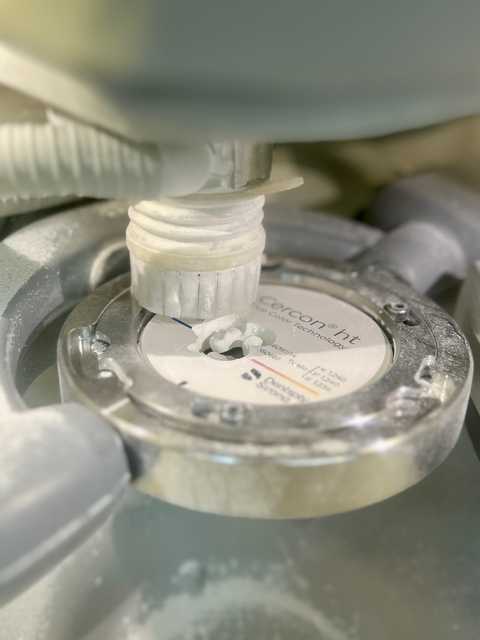
Traditional crowns require two visits: tooth preparation and impression, then final cementation about two weeks later. Same-day crowns with CAD/CAM technology may be completed in a single appointment at clinics offering on-site milling.
Yes, crowns are designed to restore broken or extensively decayed teeth when enough structure remains or with a post buildup. If decay is too advanced, extraction or alternative treatments may be recommended after evaluation.
Maintain good oral hygiene with brushing and flossing, avoid hard or sticky foods, wear a nightguard if you grind, and attend regular dental checkups. Promptly address any chips, looseness, or sensitivity to prevent complications.