

Visitor Scanning Gallery
$$MultiPurposeText$$
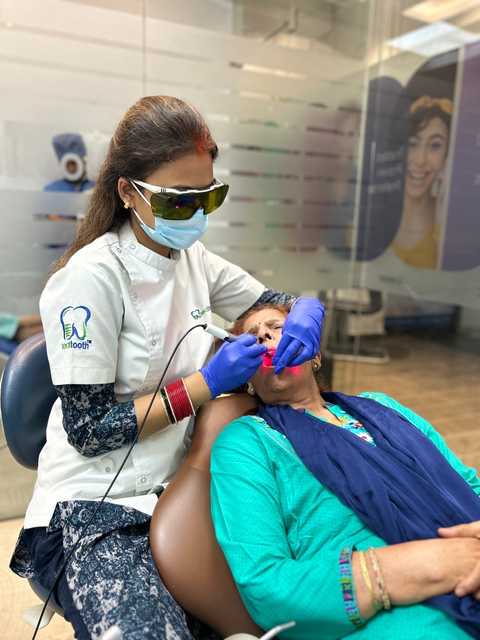
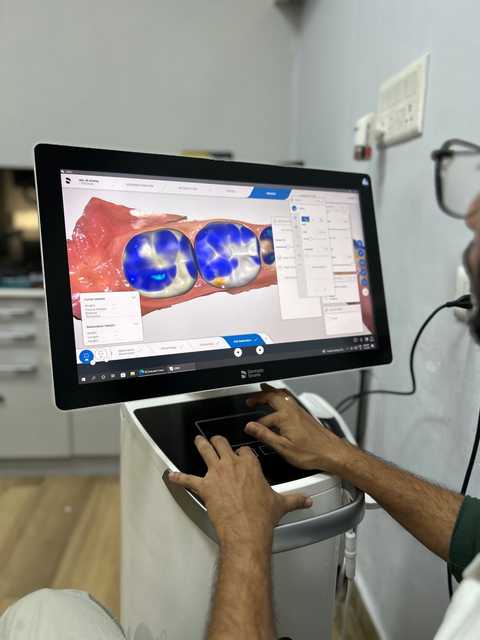
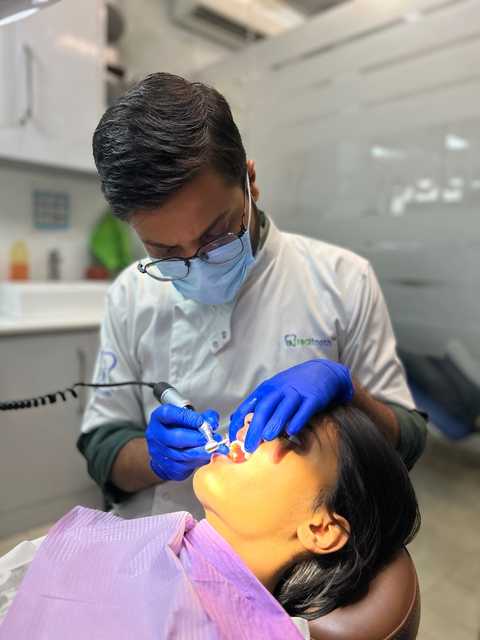
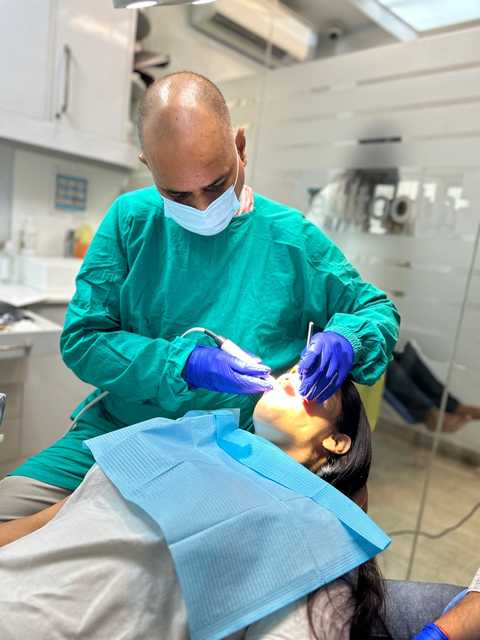
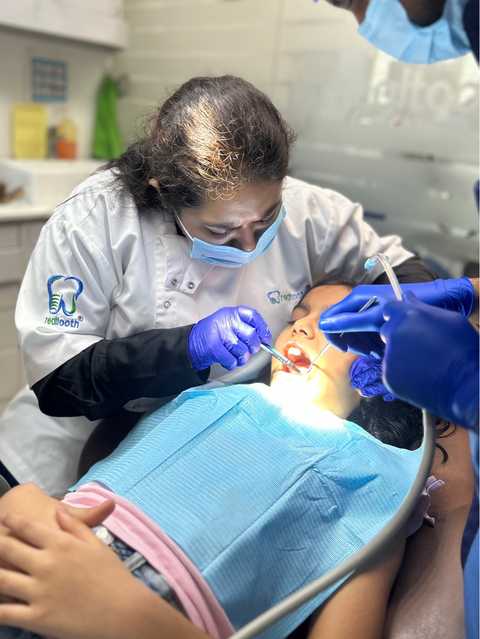
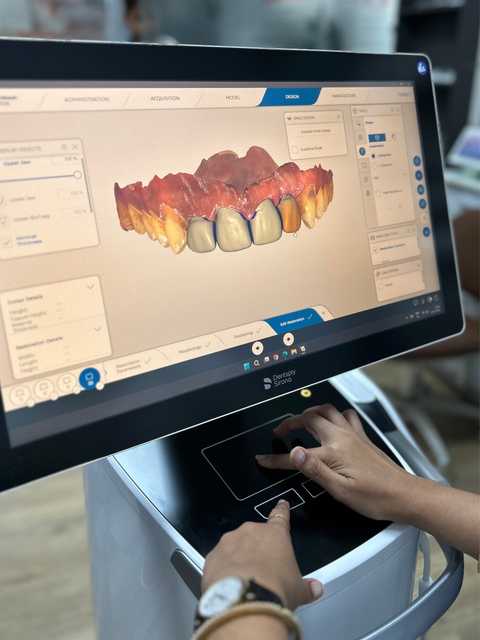
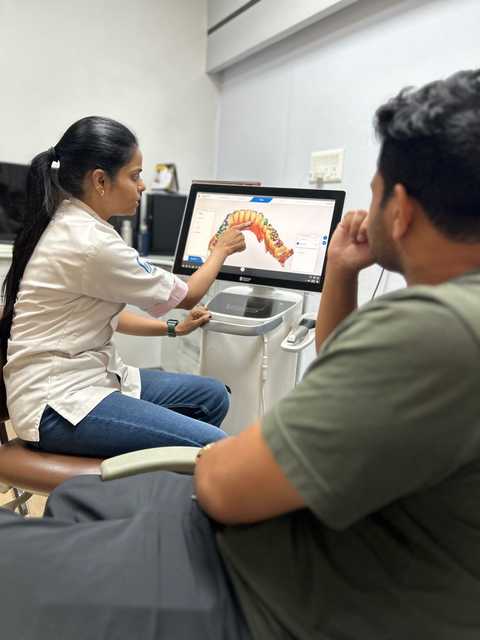
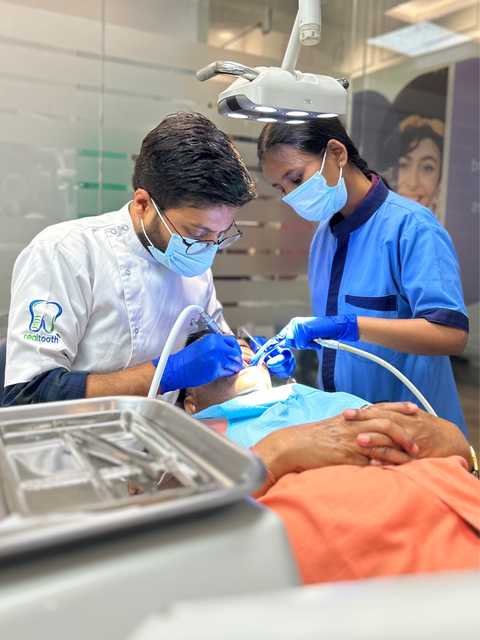
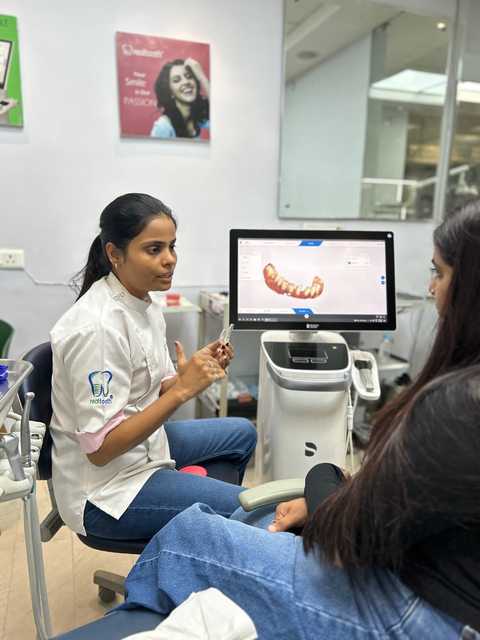
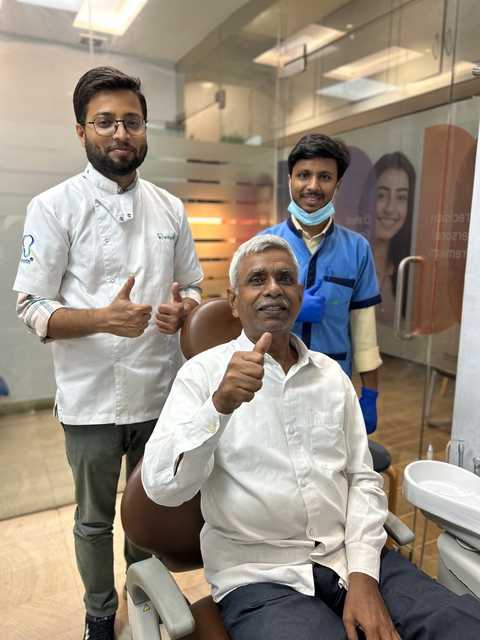
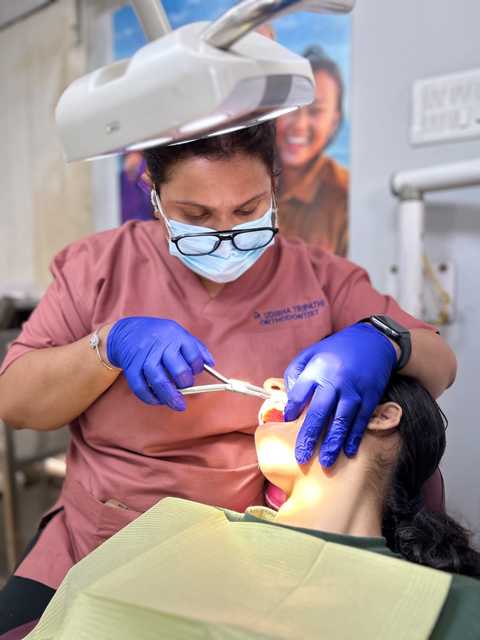
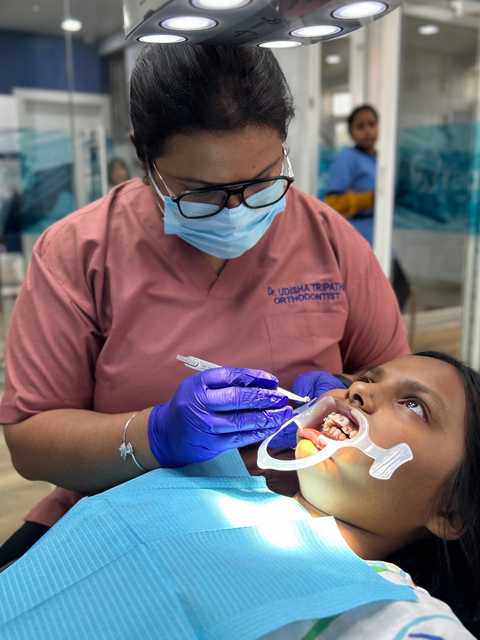
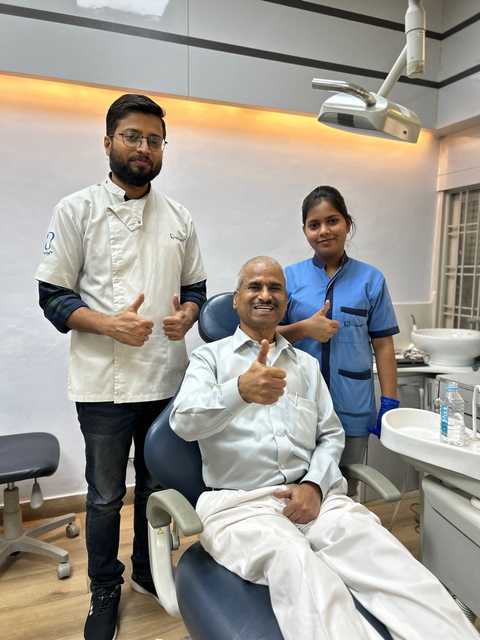
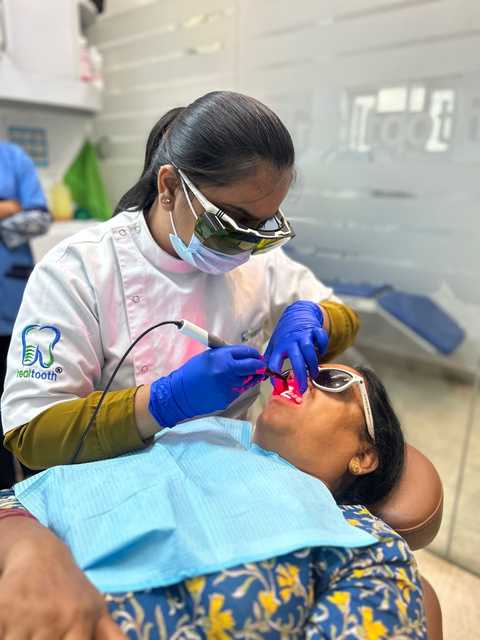
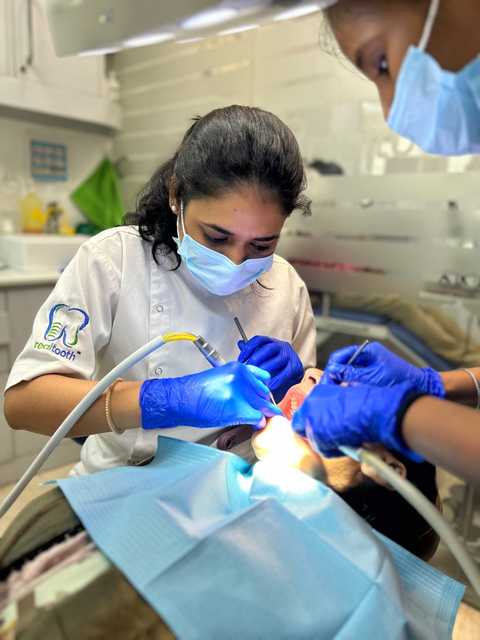
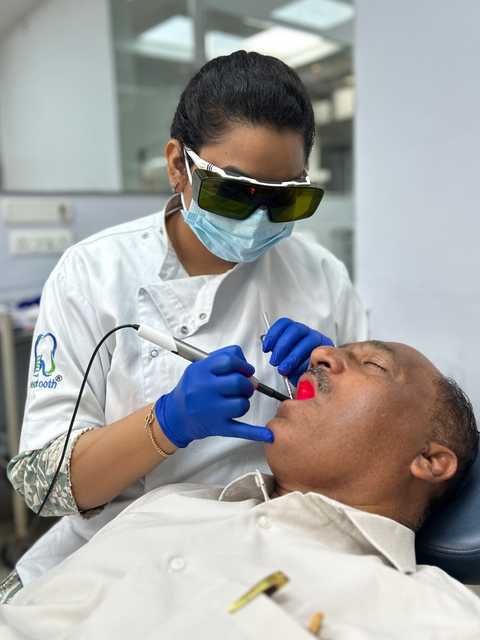
See examples of our Visitor Scanning work and results.











What Our Clients Say
$$MultiPurposeText$$
Read testimonials from our satisfied customers

My father had been struggling with missing teeth for many years, which made eating and spe...more

After postponing treatment for several years, I finally decided to replace my missing toot...more

An old missing tooth had started affecting my confidence while smiling, so I finally decid...more

Excellent experience

For years, I wanted to correct my misaligned teeth but kept postponing treatment because I...more

Nice clinic

Frequently Asked Questions
Get answers to common questions about Visitor Scanning.
Visitor Scanning uses digital intraoral and extraoral imaging to capture detailed views of teeth, gums, and jaw. Our technicians perform quick, radiation-minimized scans; dentists review images for diagnosis, treatment planning, and monitoring, usually within the same appointment.
Yes. Our Visitor Scanning uses low-dose digital radiography and cone-beam CT with optimized settings. Radiation exposure is minimal compared to medical CT; scans are only used when clinically necessary and protective protocols are followed to ensure patient safety.
Most scans take between five and twenty minutes including setup. Full appointments, including consultation, image review, and explanation, usually last 20–45 minutes depending on complexity and whether additional diagnostics are needed.
Coverage varies by insurer and plan. Many policies cover diagnostic imaging partly or fully; others require preauthorization. We recommend checking your benefits or contacting our reception for assistance with claims and estimates before scheduling.
Yes. High-resolution scans identify early signs of decay, bone loss, impacted teeth, and structural anomalies that may not yet cause symptoms. Early detection enables conservative treatment and prevents progression that could require more invasive procedures.
Preparation is minimal: arrive with clean teeth, remove removable prosthetics and jewelry that may interfere, and bring prior dental records if available. Inform staff about pregnancy or recent radiographs so we can tailor imaging protocols appropriately.