

Laser Dental Treatment Gallery
$$MultiPurposeText$$
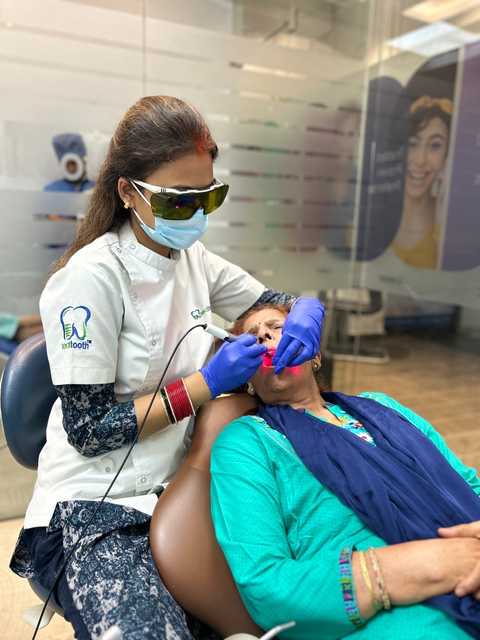
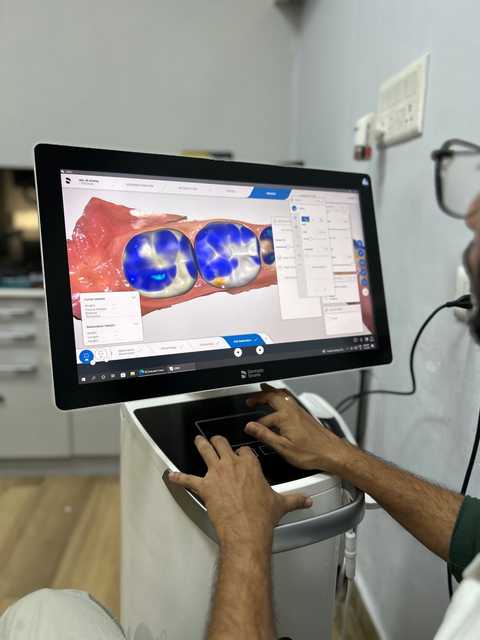
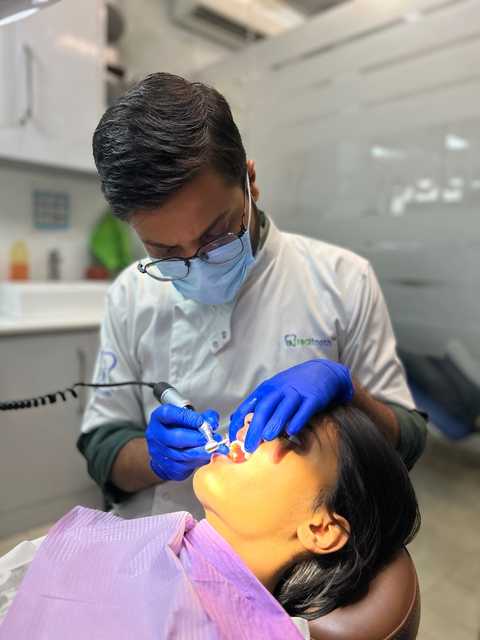
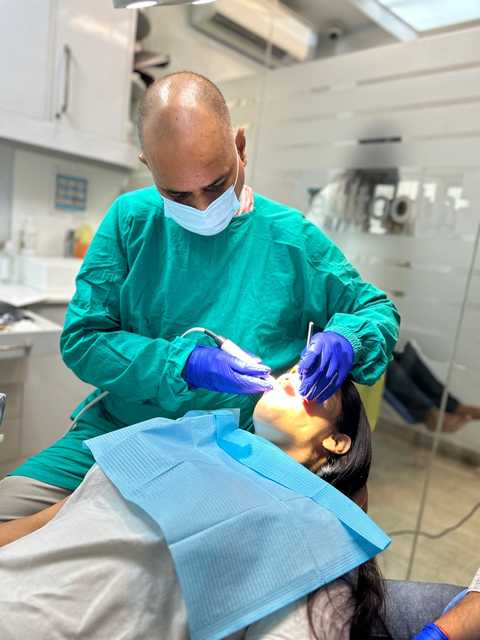
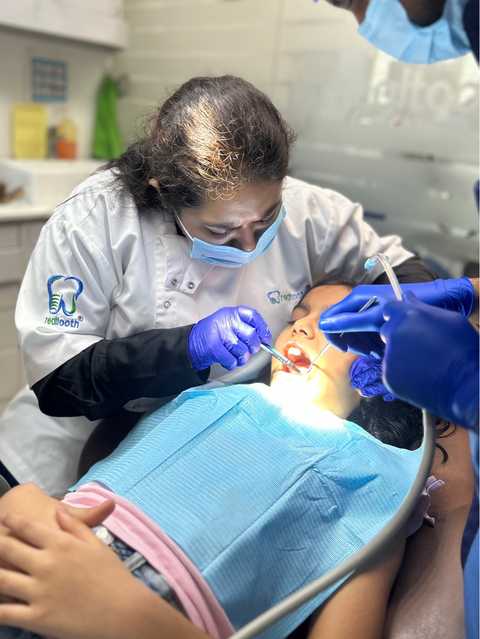
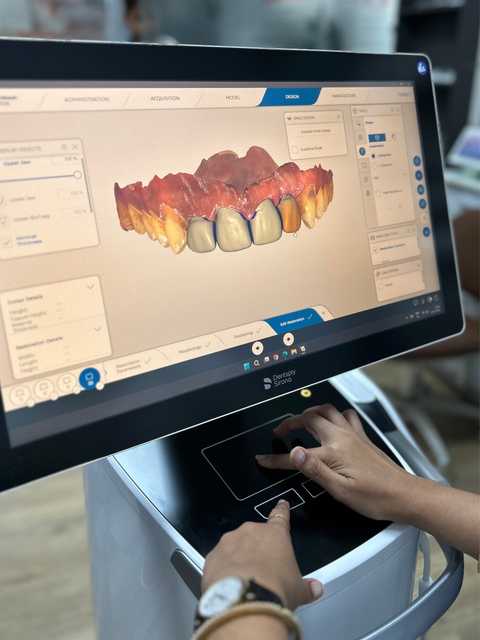
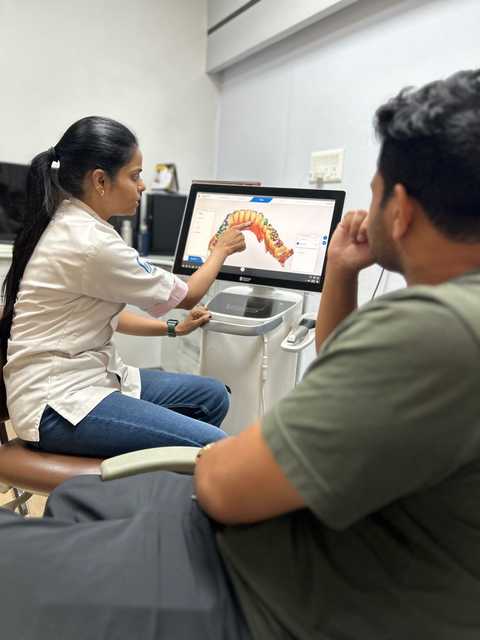
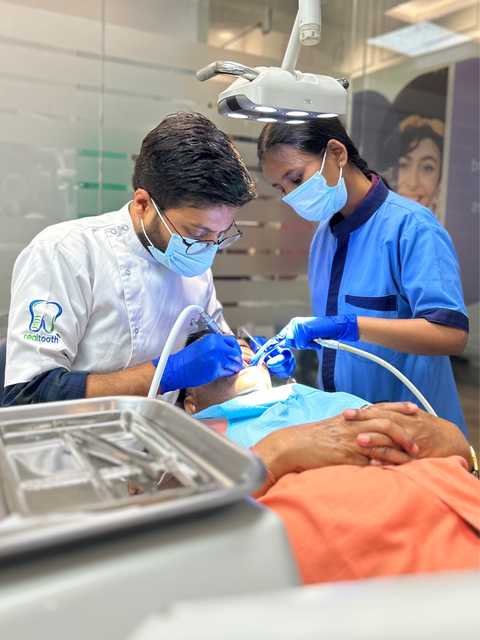
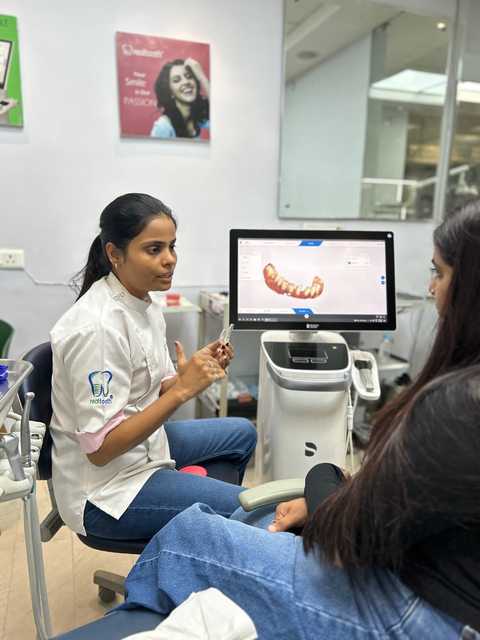
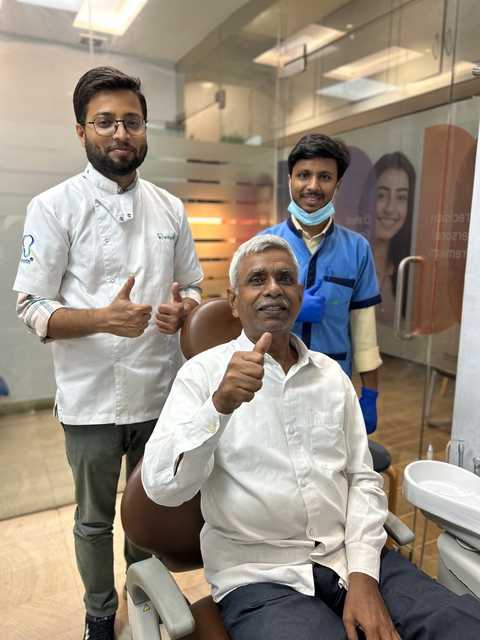
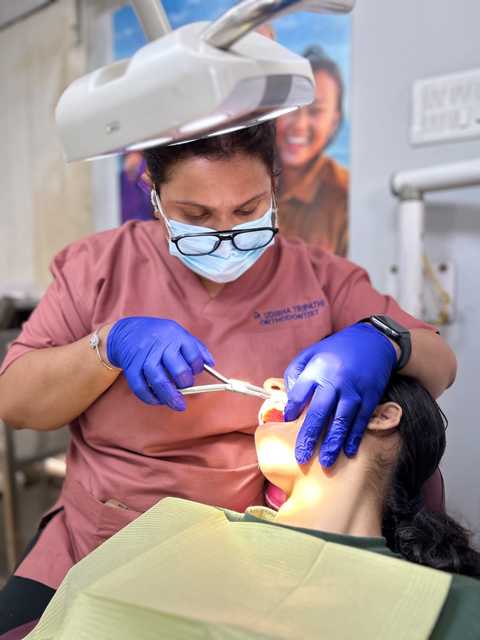
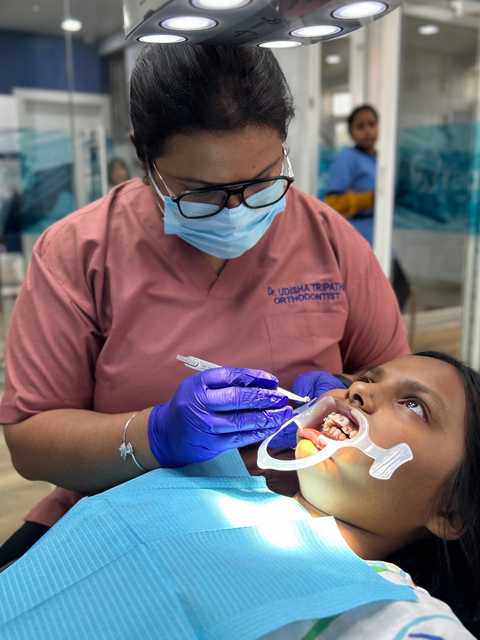
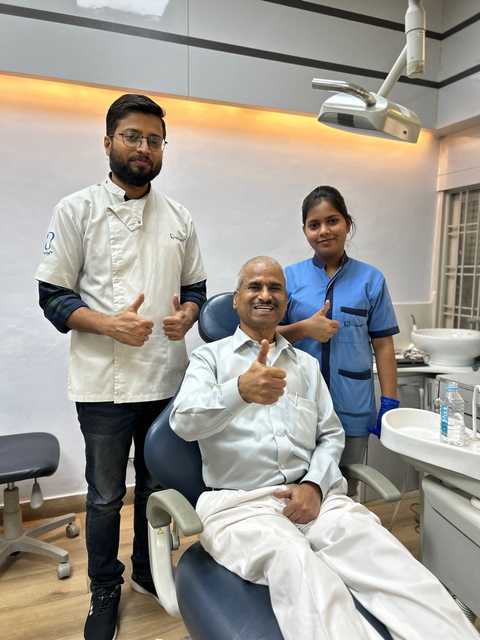
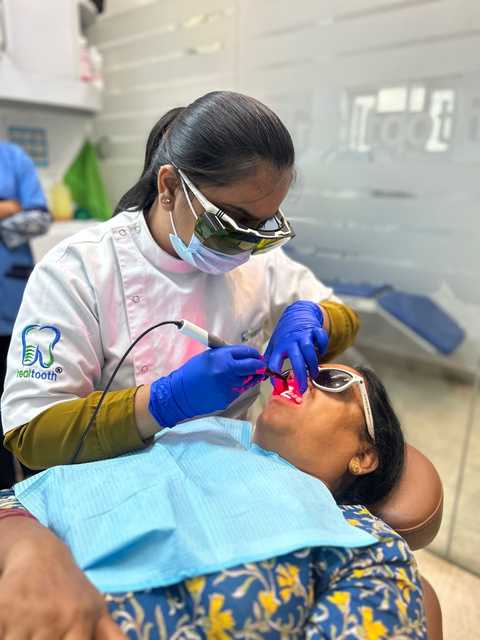
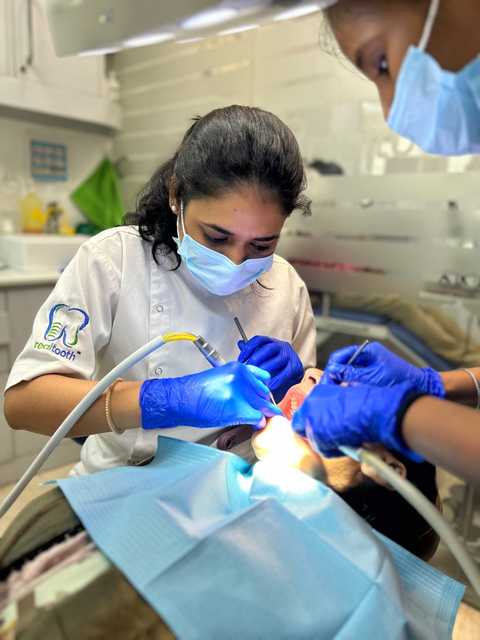
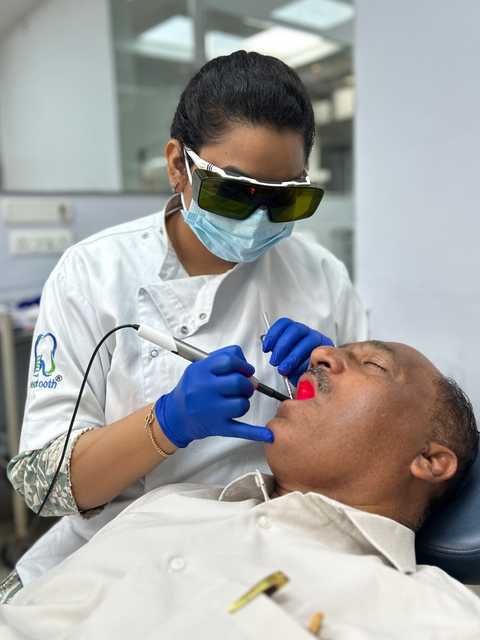
See examples of our Laser Dental Treatment work and results.











What Our Clients Say
$$MultiPurposeText$$
Read testimonials from our satisfied customers

My father had been struggling with missing teeth for many years, which made eating and spe...more

After postponing treatment for several years, I finally decided to replace my missing toot...more

An old missing tooth had started affecting my confidence while smiling, so I finally decid...more

Excellent experience

For years, I wanted to correct my misaligned teeth but kept postponing treatment because I...more

Nice clinic

Frequently Asked Questions
Get answers to common questions about Laser Dental Treatment.
Most laser procedures cause minimal discomfort; local anesthesia is used when needed. Lasers reduce bleeding and tissue trauma, so postoperative pain is typically less than traditional surgery. Your dentist will discuss pain control and aftercare to ensure a comfortable recovery.
Session length varies by procedure complexity — a soft-tissue laser treatment may take only minutes, while more involved cases often require 30–60 minutes. Your dentist will provide an accurate time estimate during consultation based on the planned procedure and your medical history.
Lasers are generally safe for most patients, but individual evaluation is essential. Certain medical conditions, medications, or pregnancy may require adjustments or alternative treatments. Inform your dentist about your full medical history so they can determine suitability and safety.
Not always; lasers complement traditional techniques. For many procedures lasers reduce invasiveness, but some complex surgeries still need conventional tools or combined approaches. Your dentist will recommend the safest, most effective method based on treatment goals and clinical findings.
Follow pre-op instructions: maintain good oral hygiene, disclose medications and allergies, and arrange transport if sedation is planned. Specific preparations depend on the procedure; the clinic will provide tailored instructions before your appointment.
Typical aftercare includes gentle brushing, avoiding hard or hot foods for 24–48 hours, following prescribed medications, and attending follow-up visits. Lasers often speed healing, but following specific instructions helps prevent irritation and supports optimal recovery.