

Dental X-Ray Gallery
$$MultiPurposeText$$
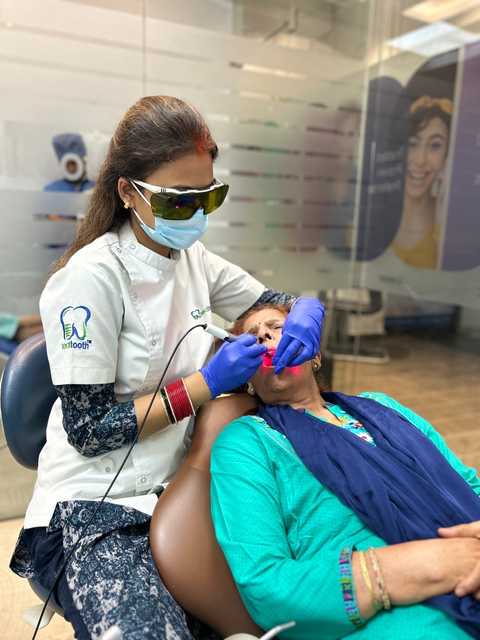
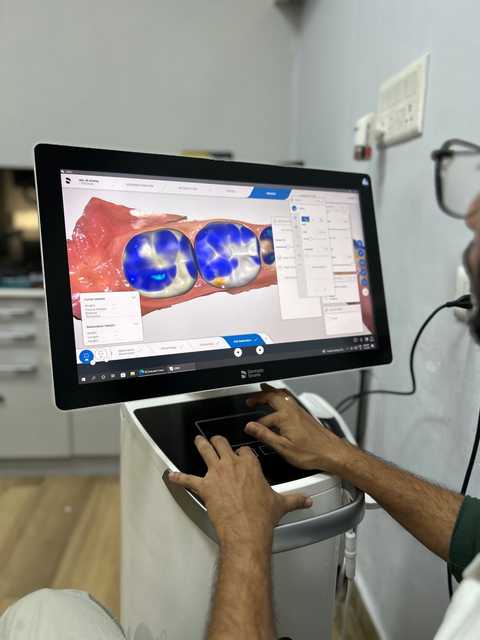
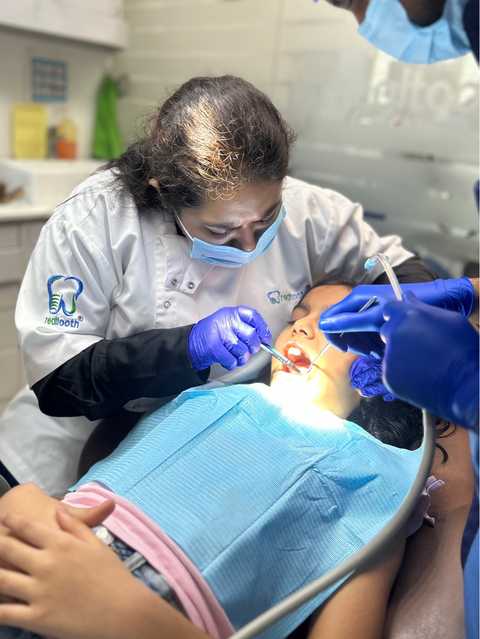
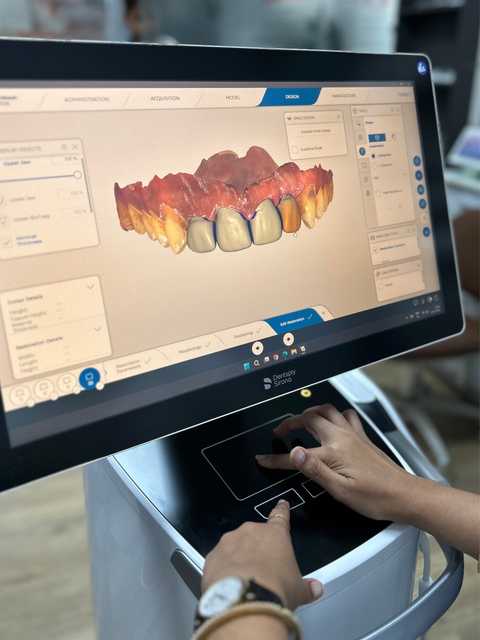
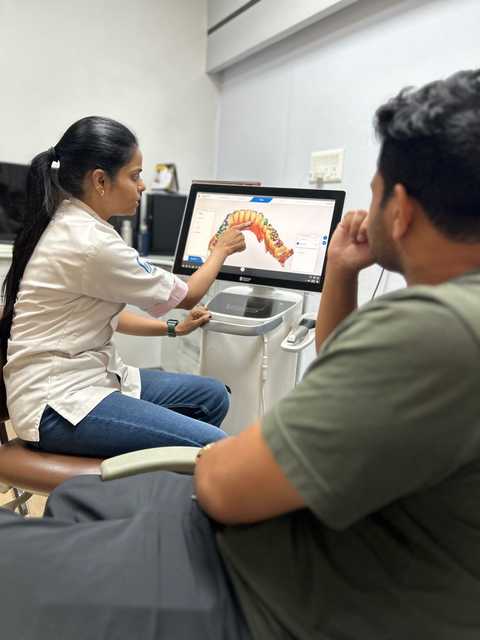
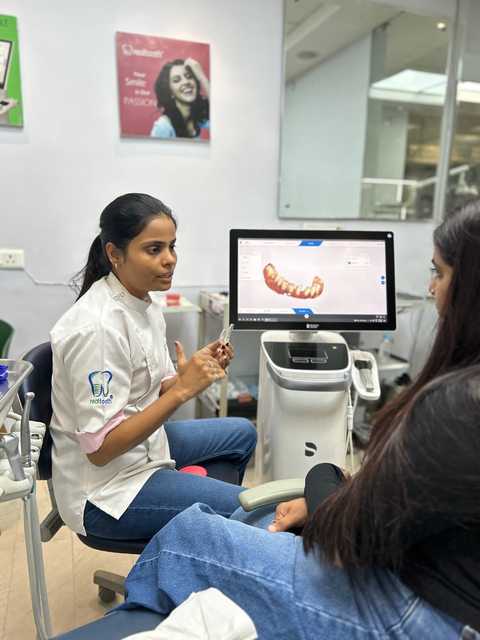
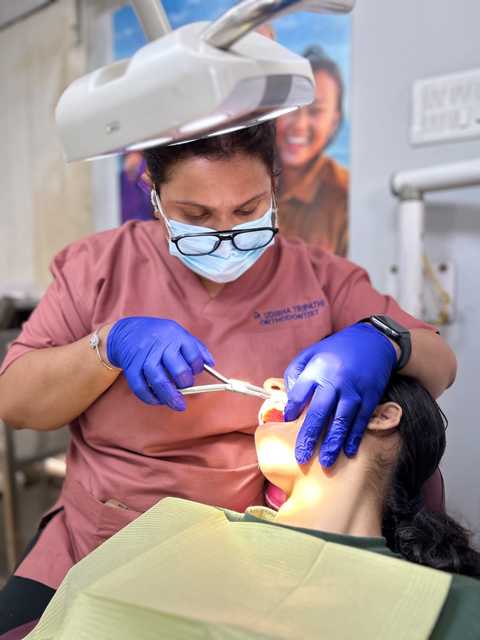
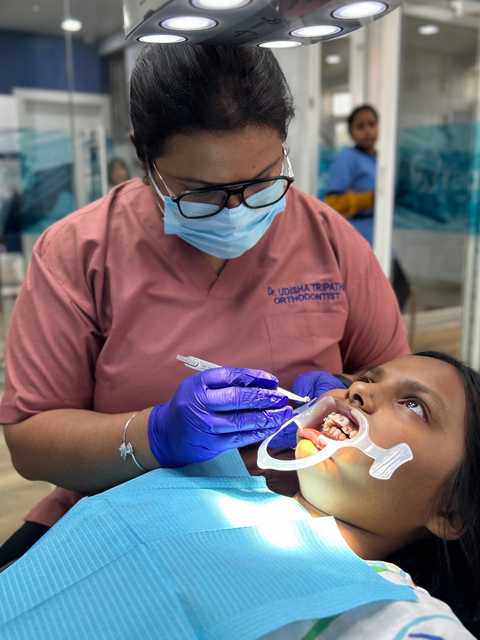
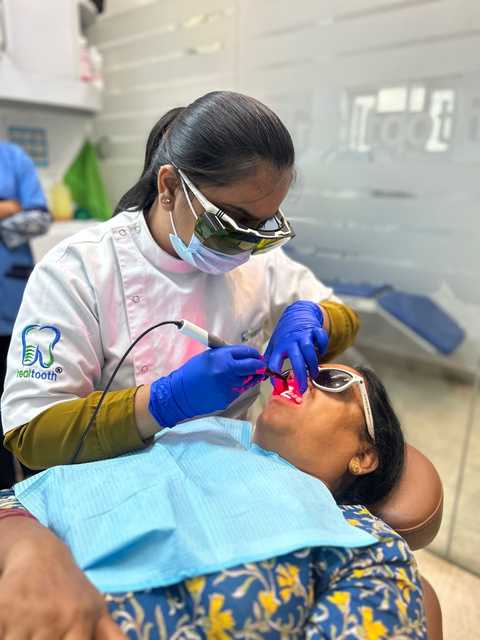
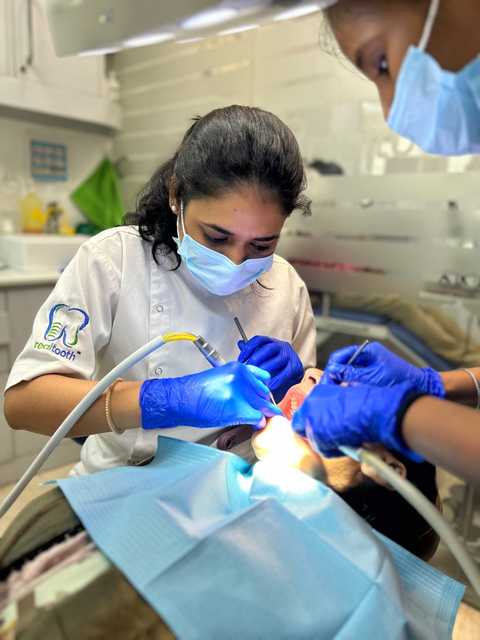
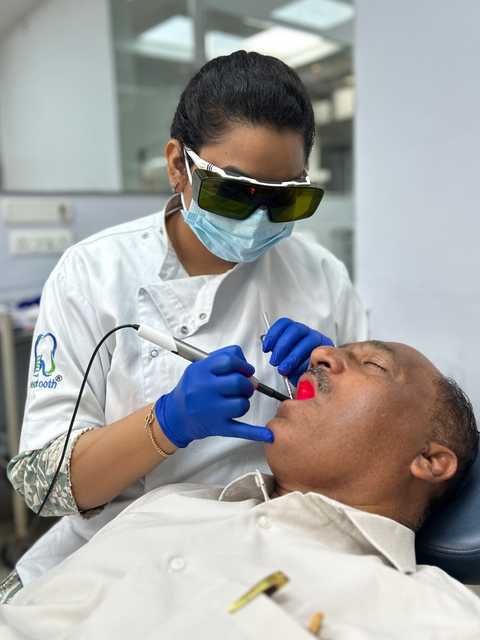
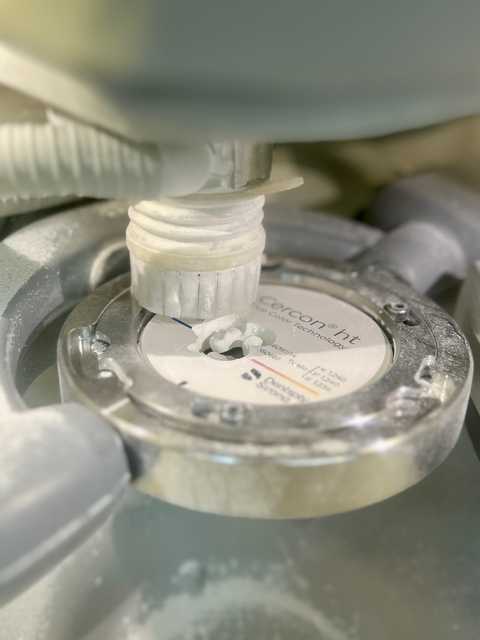
See examples of our Dental X-Ray work and results.
















What Our Clients Say
$$MultiPurposeText$$
Read testimonials from our satisfied customers

My father had been struggling with missing teeth for many years, which made eating and spe...more

After postponing treatment for several years, I finally decided to replace my missing toot...more

An old missing tooth had started affecting my confidence while smiling, so I finally decid...more

Excellent experience

For years, I wanted to correct my misaligned teeth but kept postponing treatment because I...more

Nice clinic

Frequently Asked Questions
Get answers to common questions about Dental X-Ray.
During your appointment, a trained technician will position protective shielding and take targeted digital X-rays. The process is quick and painless, typically taking minutes, and images are reviewed immediately by the dentist to detect cavities, bone loss, or other oral issues.
Digital dental X-rays use very low radiation; for children they are safe when clinically necessary. Pregnant patients should inform us—radiographs are postponed unless urgent. If required, we use lead aprons and minimize exposure, following strict safety protocols.
Frequency depends on age, risk factors, and oral health. New patients often receive baseline images; adults with good oral health may need X-rays every 18–36 months, while those with decay or gum disease might require them more frequently for monitoring.
Yes. X-rays reveal interproximal and early decay beneath enamel or fillings that aren't detectable during clinical exam, allowing conservative treatment before the cavity progresses and requires more invasive procedures.
Most intraoral digital X-rays take only a few minutes; a full mouth series may take longer but usually under 20 minutes. Digital technology speeds processing, so the dentist can review images and discuss findings promptly during the same appointment.
Yes—we can securely share digital X-rays with specialists for referrals or with insurance companies upon request. We provide copies via secure email, cloud transfer, or printed images and coordinate with other providers to support treatment planning and claims.