

3D Dental Imaging Gallery
$$MultiPurposeText$$
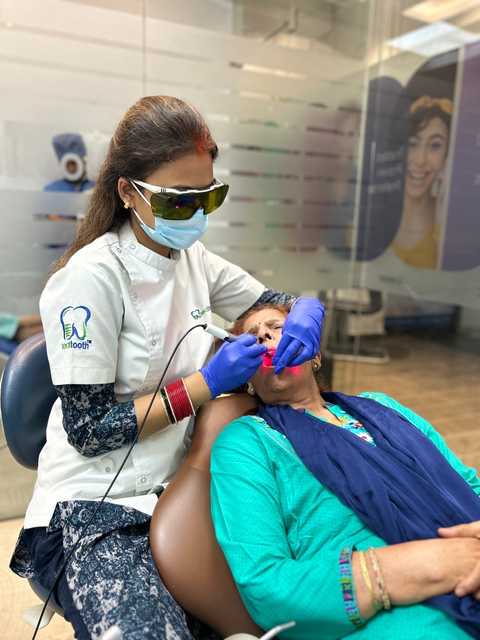
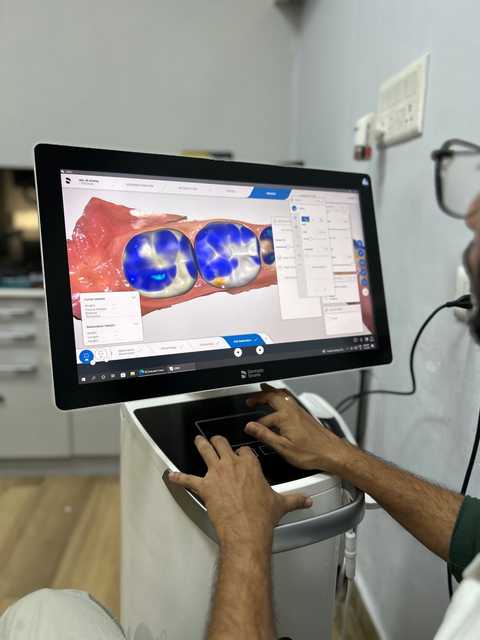
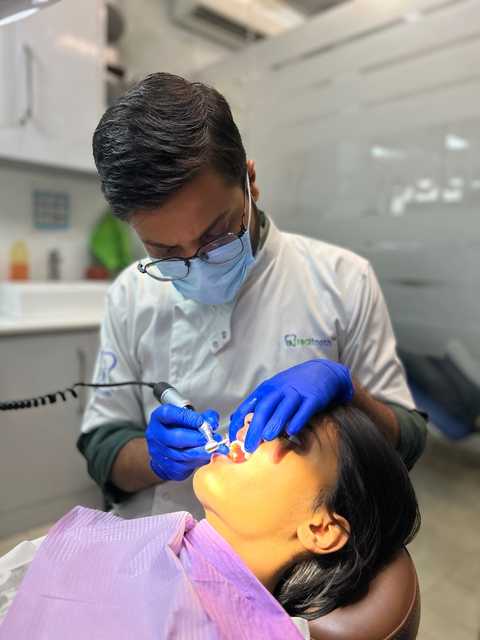
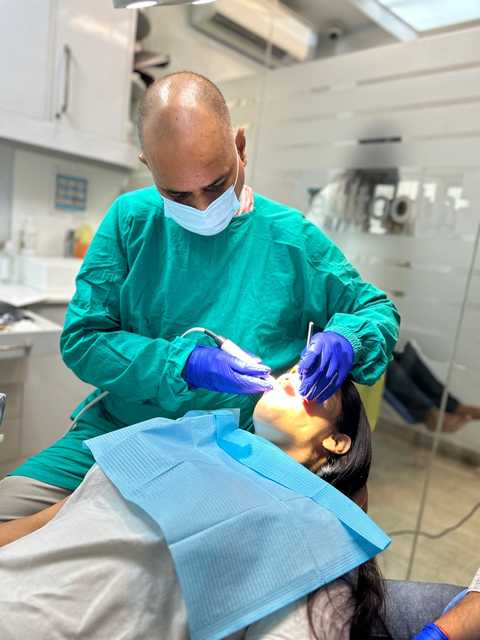
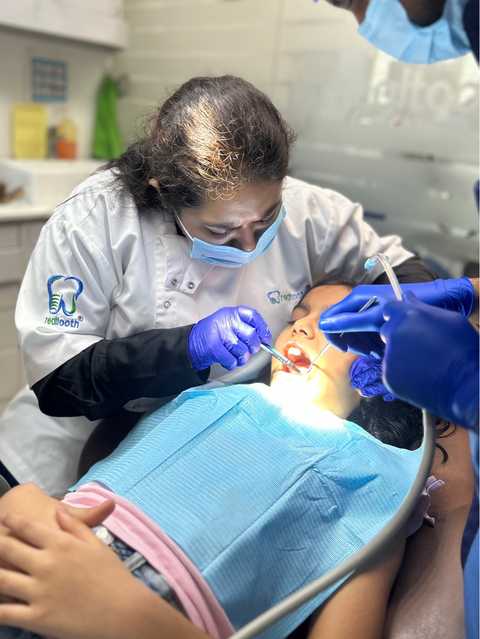
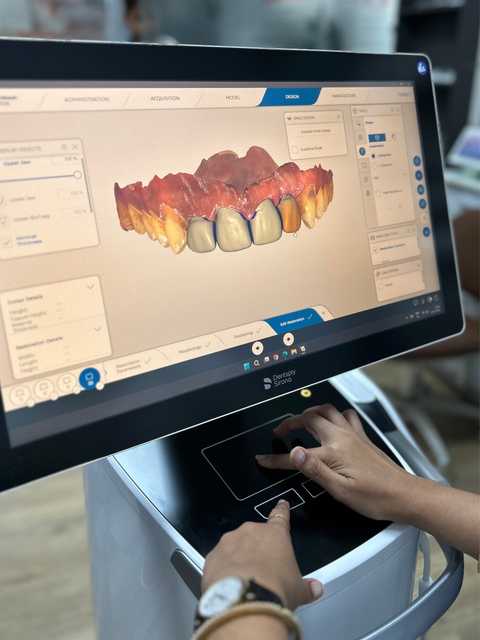
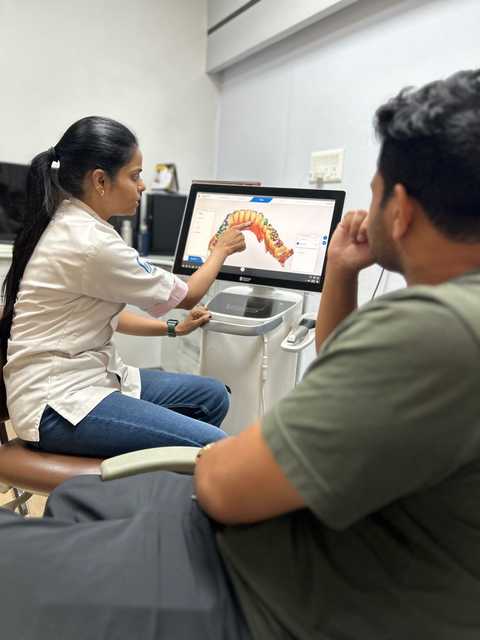
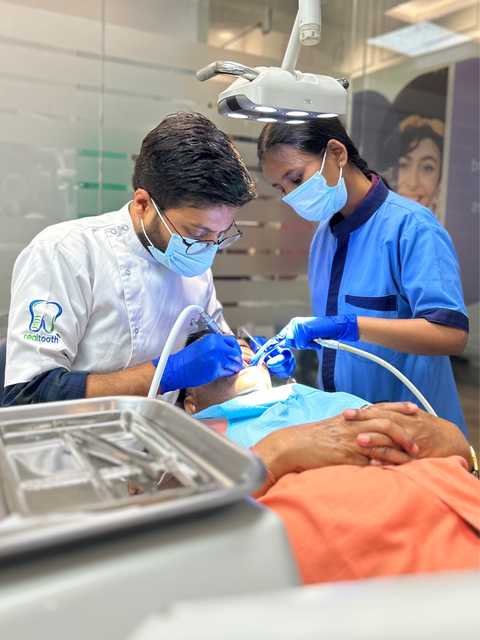
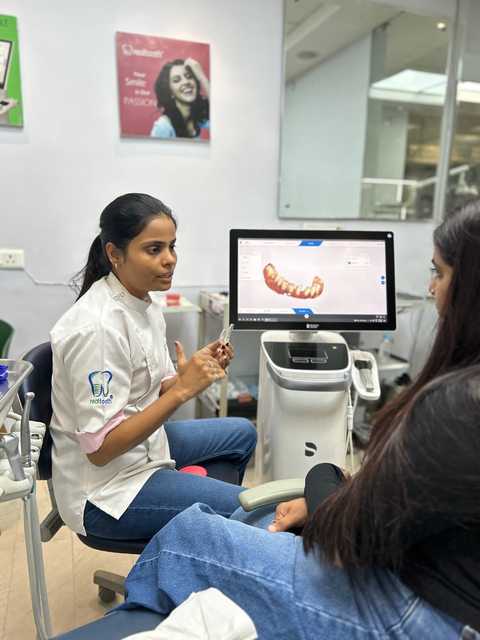
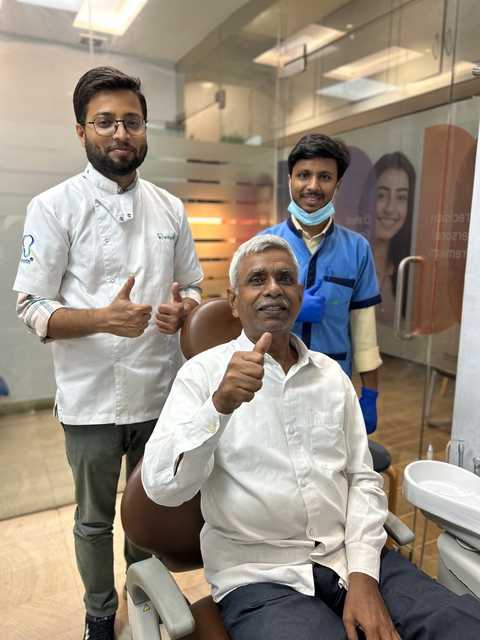
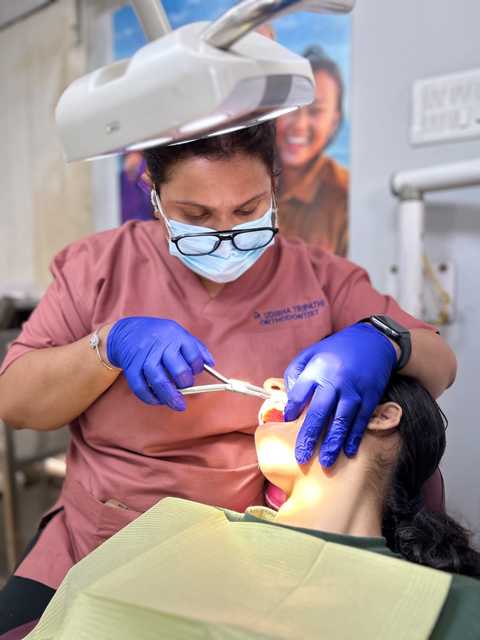
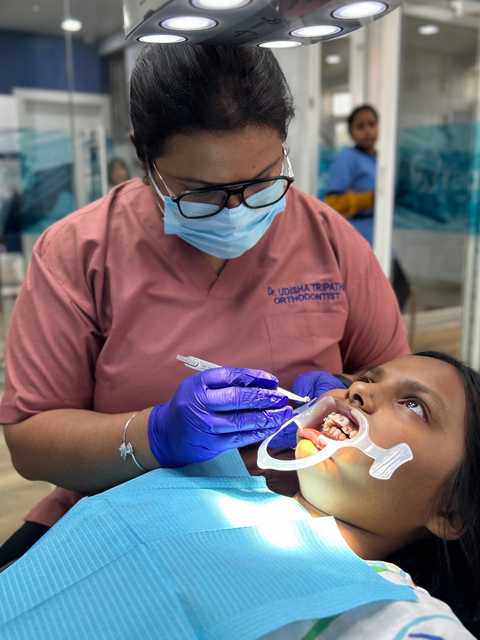
See examples of our 3D Dental Imaging work and results.











What Our Clients Say
$$MultiPurposeText$$
Read testimonials from our satisfied customers

My father had been struggling with missing teeth for many years, which made eating and spe...more

After postponing treatment for several years, I finally decided to replace my missing toot...more

An old missing tooth had started affecting my confidence while smiling, so I finally decid...more

Excellent experience

For years, I wanted to correct my misaligned teeth but kept postponing treatment because I...more

Nice clinic

Frequently Asked Questions
Get answers to common questions about 3D Dental Imaging.
3D Dental Imaging uses cone beam CT scanners to capture detailed volumetric images of teeth, jaws, and surrounding structures. The scanner rotates around the head, producing cross-sectional and 3D reconstructions dentists use for diagnosis, implant planning, and complex treatment assessment.
3D imaging involves low-dose radiation but is generally safe when clinically justified. We take protective measures and limit exposure. Pregnant patients are advised to avoid unless urgent; children receive adjusted settings. Your dentist will recommend alternatives if needed.
Scans are quick—typically completed within 20 to 40 seconds of actual imaging, with total appointment time around 10 to 20 minutes including positioning and review. We ensure fast, comfortable scanning while capturing high-resolution images for accurate planning.
There may be an additional fee for 3D imaging, but it often reduces overall costs by improving accuracy and avoiding complications. Many treatment plans include the scan fee; our staff will provide transparent pricing and discuss insurance or payment options.
Yes. 3D Dental Imaging provides detailed bone measurements, nerve location, and angulation, enabling precise implant positioning and custom surgical guides. This accuracy increases success rates, reduces complications, and shortens surgery time, improving patient outcomes and implant stability.
Preparation is minimal: remove metal jewelry, eyeglasses, and removable dental appliances. Inform us of pregnancy, recent scans, or implants. Wear comfortable clothing. Arrive on time and bring previous dental records if available; the technician will guide you during positioning.